Sjogren’s syndrome

Medical cannabis treatments for Sjogren’s syndrome

Sjogren’s syndrome or Sjogren’s disease is a rheumatic autoimmune condition that causes dry mouth, dry eyes, pain, and fatigue. Any part of the body that would usually produce moisture is affected, which can severely impact a patient’s quality of life.

There is no cure for Sjogren’s syndrome, and treatment plans focus on managing symptoms and minimising the potential damage caused by dryness. Symptom mitigation is critical, as dry mouth can lead to problems with chewing and speaking, which can then cause problems with nutrition and social interaction. Anxiety and depression are commonly associated with Sjogren’s syndrome due to the debilitating nature of the condition.

Medical cannabis may be a potential source of relief for some Sjogren’s syndrome patients, particularly when considering symptoms like joint pain, fatigue, and mood disorders. 

0.1 - 0.4%

45.6%

of patients with Sjogren’s syndrome struggle with fatigue, according to a 2023 study of 125 individuals.

47.5%

of the 1,669 respondents to the largest survey of active UK medical cannabis patients ever conducted reported taking the medication for chronic pain, a common symptom of Sjogren’s syndrome.

97%

of Releaf survey respondents reported an increase in the quality of life.

Symptoms

Anxiety and depression

Brain fog

Chronic joint pain

Dry eye discomfort and associated headaches

Dry mouth discomfort

Parotid gland swelling and discomfort

Peripheral neuropathy (burning, tingling pain; small fibre neuropathy)

Profound fatigue

Sleep disruption

If you’re experiencing any of these symptoms, it’s important to seek tailored advice from a medical professional.

Treatment options:

Standard Sjogren’s syndrome treatments patients may have tried:

Artificial saliva and saliva substitutes

Artificial tears and eye drops

Corticosteroids

Dental management and caries prevention

Hydroxychloroquine

NSAIDs (joint pain)

Ophthalmological management

Pilocarpine (salivary stimulant)

Prescribed medical cannabis treatment

Rituximab (for systemic involvement)

Check your eligibility (takes 30s) for Sjogren’s syndrome medical cannabis (THC) treatment with Releaf

Join our growing community of over 240,000 people

Whether you’re new to cannabis-based medicines, switching from another medical cannabis clinic, or self-medicating, we’ll put you back in control of your health.

Review thumbnail
Verified
Lukas' Journey

Condition Peripheral Neuropathy

Subscriber 2 years

Review thumbnail
Verified
Brandon's Journey

Condition Anxiety & Depression

Subscriber 2 years

Review thumbnail
Verified
John's Journey

Condition Depression

Subscriber 2 years

Review thumbnail
Verified
Amber's Journey

Condition Chronic Pain

Subscriber 3 years

Review thumbnail
Verified
James' Journey

Condition Restless Legs Syndrome

Subscriber 2 years

Review thumbnail
Verified
Darren's Journey

Condition Insomnia

Subscriber 2 years

Review thumbnail
Verified
Matthew's Journey

Condition Depression

Subscriber 2 years

Review thumbnail
Verified
Marlyse's Journey

Condition CRPS

Subscriber 2 years

Review thumbnail
Verified
Lou's Journey

Condition Adjunctive Cancer Care

Subscriber 2 years

Review thumbnail
Verified
Martin's Journey

Condition Ehlers-Danlos Syndrome

Subscriber 2 years

Review thumbnail
Verified
Matt's Journey

Condition Insomnia & Chronic Pain

Subscriber 2 years

Review thumbnail
Verified
Ollie's Journey

Condition ADHD

Subscriber 2 years

Review thumbnail
Verified
Carla's Journey

Condition Endometriosis

Subscriber 2 years

Review thumbnail
Verified
Josh's Journey

Condition Chronic Pain

Subscriber 2 years

Review thumbnail
Verified
Simon's Journey

Condition Low Back Pain

Subscriber 2 years

Review thumbnail
Verified
Kim's Journey

Condition Arthritis

Subscriber 2 years

Review thumbnail
Verified
Isabelle's Journey

Condition ADHD

Subscriber 2 years

Review thumbnail
Verified
Georgia's Journey

Condition Anxiety & ADHD

Subscriber 2 years

Review thumbnail
Verified
Ethan's Story

Condition Chronic Pain

Subscriber 2 years

Review thumbnail
Verified
Brandon's Journey

Condition Anxiety & Depression

Subscriber 2 years

Review thumbnail
Verified
Maxim’s Journey

Condition Chronic Pain

Subscriber 2 years

Review thumbnail
Verified
Chloe's Journey

Condition Endometriosis

Subscriber 2 years

Review thumbnail
Verified
Daisy's Journey

Condition PTSD

Subscriber 2 years

Review thumbnail
Verified
Jess' Journey

Condition Fibromyalgia

Subscriber 2 years

A word from our specialist

“Sjögren's syndrome is often thought of as simply causing dry eyes and a dry mouth. But for many patients, the reality is far broader, leading to other related issues like fatigue and joint pain.

These symptoms can build up over time and have a real impact on day-to-day comfort and quality of life.

For some, prescribed medical cannabis may be worth discussing as part of a wider plan to help manage associated symptoms like persistent joint pain, alongside the more conventional treatment options.”

Dr Farrah Ayob

Dr Farrah Ayob

Consultant in Pain Medicine and Anaesthesia

Check your eligibility (takes 30s) for Sjogren’s syndrome medical cannabis (THC) treatment with Releaf

Articles on Sjogren’s syndrome

24. 04. 2025

Decoding Cannabis: Why thousands are replacing opioids with cannabis for pain relief

Opioids have long been the default for managing most chronic pain issues. Albeit powerful at targeting pain, many would argue they have been overly prescribed, and they are often alarmingly hard to come off. Yet quietly, another option has been slowly but surely making inroads in chronic pain treatment: medical cannabis.

06. 07. 2023

How medical cannabis may help reduce anxiety

Anxiety disorders come in many forms, and they all share one thing in common. That is, they are on the rise. With one in six adults in the United Kingdom now diagnosed with some form of anxiety, the need for additional treatment options has never been more pronounced. Below, we will look at what anxiety is exactly, how it can affect you, and the possible ways medical cannabis may be able to help. 

Can medical cannabis treatments help the symptoms of Sjogren’s syndrome?

Medical cannabis may help some patients with Sjogren’s syndrome deal with the associated symptoms, but it is not a cure. 

Sjogren’s syndrome is an inflammatory autoimmune condition that is classified as a rheumatic condition, and may occur alongside other conditions like rheumatoid arthritis or lupus. The primary symptom that sets it apart from other conditions is that it affects glands that produce moisture, such as saliva or tears, leading to dry mouth, dry eye, and even dry skin.

These symptoms are more than just uncomfortable. Dry eyes can be painful, and, over time, constant dryness can damage the eyes. Dry mouth leads to problems chewing and encourages bacteria and fungal infections, increasing the risk of dental problems. Pain, fatigue, and low mood are also commonly experienced with this condition.

Who does Sjogren’s syndrome affect in the UK?

Only 0.1% to 0.4% of the population has Sjogren’s syndrome, but despite this seemingly low figure, it’s the second-most common autoimmune rheumatic disease, after rheumatoid arthritis. Statistics show that 90% of Sjogren’s syndrome patients are women, and they’re most likely to develop the condition between the ages of 40 and 60. However, Sjogren’s syndrome can affect anyone.

What symptoms does Sjogren’s Syndrome cause?

The most well-known symptoms of Sjogren’s syndrome are dry mouth and eyes, and patients may experience dryness in other areas of the body, such as the skin or genitals. This dryness can be very uncomfortable and may lead to sores, ulcers, or an inability to use dentures or other dental implants. Sjogren’s syndrome patients are also prone to pain and issues with their eyes caused by the constant dryness.

Sjogren’s syndrome often causes chronic pain, ranging from arthritic pain in the joints to peripheral neuropathy, which causes pain, tingling, or burning sensations due to damaged nerves. 

Sjogren’s syndrome is also associated with fatigue, which can become disabling for some patients. Fatigue can then lead to poor concentration and focus, often called brain fog. The inability to do daily tasks and the unpredictability of a long-term, chronic condition can also cause depression or anxiety, or both. Sjogren’s syndrome can also lead to nausea and digestive complaints.

What treatments are currently available for Sjogren’s Syndrome?

Currently, Sjogren’s syndrome is incurable. All medications and symptoms are focused on symptom management and promoting a higher quality of life. Some conventional treatments may have undesirable side effects, so patients have to weigh up the pros and cons before committing to a treatment plan.

Common medications prescribed to Sjogren’s syndrome patients include:

Treatment

How it works

Potential side effects (varies from person to person)

Artificial tears and saliva substitutes

Eye drops and oral sprays replace moisture and lubricate the affected areas, promoting wellness and improving the ability to chew, speak, etc.

Some patients experience irritation or may struggle with the taste of artificial saliva.

Hydroxychloroquine (HCQ)

HCQ has anti-inflammatory and immunomodulatory effects that make it a common medication for Sjogren’s syndrome patients.

Digestive problems; nausea; rash and itching; appetite problems; mood swings.

Pilocarpine hydrochloride

This drug activates receptors that encourage saliva glands and tear ducts to produce moisture.

Nausea; sweating profusely; frequent urination; runny nose; dizziness.

NSAIDs

Non-steroidal anti-inflammatory drugs limit the production of chemicals involved in pain messages, helping ease joint pain.

Nausea; digestive issues.

Other interventions include more regular dental checkups to prevent decay and tooth loss, and frequent ophthalmological exams to ensure the eyes aren’t damaged by constant dryness. Because treatment options are fairly limited, it’s common for patients to seek out alternative treatments for Sjogren’s syndrome.

What is the dryness paradox with cannabis and Sjogren’s syndrome?

Medical cannabis is sometimes associated with dry mouth, with some patients reporting dry mouth as a potential side effect. Yet, medical cannabis for Sjogren’s syndrome may still be prescribed by a clinician, in some cases.

This is because of the link between inflammation and dry mouth in Sjogren’s syndrome. Experts believe that inflammation, in response to an overactive immune system, is what causes Sjogren’s symptoms like dry mouth and dry eyes. Reducing that inflammation could, potentially, offer some relief. So, when it comes to medical cannabis dry mouth, Sjogren's syndrome offers a strange paradox: some people may find that they suffer from less dry mouth when prescribed a suitable cannabis-based medicine.

Can medical cannabis help with Sjogren’s syndrome symptoms?

The application of potentially therapeutic compounds like CBD and THC for Sjogren’s syndrome could offer relief for the following symptoms:

Sjogren’s syndrome symptom

How medical cannabis could help

Joint pain/peripheral neuropathy

Medical cannabis may help reduce pain or lower the patient’s perception of pain, in some cases

Fatigue

Some people find that medical cannabis may promote a better night’s sleep, helping reduce the intensity of fatigue

Anxiety

Clinicians may prescribe medical cannabis for Sjogren’s syndrome if they believe that it may offer therapeutic effects for anxiety or stress

Depression

Low mood is a common result of Sjogren’s syndrome, and medical cannabis has potentially therapeutic compounds that could, in some cases, help regulate the mood.

What does the research say about cannabis and Sjogren’s syndrome?

No research has yet been completed on the specific benefits of medical cannabis for Sjogren's syndrome. However, there are studies that suggest medical cannabis could offer relief for some key symptoms associated with the disease. 

Digestive complaints and nausea are common symptoms of Sjogren’s syndrome. A 2021 study into the effects of CBD on the intestinal barrier concluded that cannabinoids reduced or even prevented oxidative stress in the intestines, promoting lower digestive health.

A 2022 systematic review of studies into the impact of medical cannabis on sleep concluded with “moderate certainty” that medical cannabis promoted at least small improvements in pain levels, even for patients with chronic pain.

When it comes to medical cannabis, autoimmune diseases aren’t curable, of course. But taking THC or CBD for Sjogren’s syndrome could, for some patients, promote a better quality of life. Various patient stories suggest that medical cannabis could offer relief for arthritic pain and sleeplessness, common symptoms of Sjogren’s syndrome. One patient had this to say:

“It doesn’t take the pain away completely, but it helps me not to focus on it as much, which has made such a difference. I have struggled to get a decent night’s sleep for years, but that has also changed now. The impact it has had on my sleep has been very surprising. I love curling up on the couch with a new show to watch. I love that feeling of finally being able to relax away from the pain, and slowly fading off to sleep peacefully is something that had escaped me for a good while.”

How does the endocannabinoid system relate to Sjogren’s syndrome?

The endocannabinoid system (ECS) is connected to most aspects of health and wellness, including the immune system, sleep, and mood regulation. It’s also linked to appetite and the digestive system. 

Phytocannabinoids (cannabinoids from plants) may impact the ECS in potentially therapeutic ways, offering possible relief for many symptoms associated with Sjogren’s syndrome.

Am I eligible for medical cannabis for Sjogren’s syndrome at Releaf?

There are many symptoms and conditions medical cannabis can be prescribed for in the UK. These include some of the symptoms associated with Sjogren’s syndrome, like fatigue, arthritic pain, and mood disorders. To find out if you could be eligible for medical cannabis for Sjogren’s syndrome, head to the checker on the Releaf website.  

Releaf has a world-class clinical team with over 50 specialists, including experts in autoimmune conditions like Sjogren’s syndrome. That expertise is one reason why Releaf is the most trusted UK medical cannabis clinic, with a 240,000+ strong community.  

Before you book your consultation, have a look at how Releaf pricing works:

·        £99 for your initial consultation

·        £19.99 for each prescription charge with a £4.99 charge for delivery, plus any relevant medication charges

·        £69.99 for follow-up consultations

Alternatively, you can opt for Releaf+. For £39.99 per month after the initial consultation fee, you enjoy free prescription charges and delivery and discounted medication. Follow-up consultations are also included. Additional benefits include a rewards plan and access to Releaf Protect, an advisory service on legal aspects of medical cannabis.

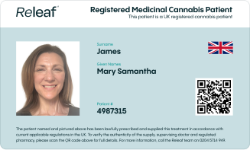
You’re also eligible for a free medical cannabis card once you pay for your first prescription.  This card is delivered separately from your medication and can take 3-5 days to arrive. A medical cannabis card can’t guarantee you won’t be questioned by the police, but it may help you identify yourself as a legal medical cannabis patient. Releaf can also help you plan overseas travel more carefully, offering advice on when you need to apply for travel certificates.

Find out if you’re eligible for medical cannabis for long COVID symptoms using the medical cannabis eligibility checker or contact our team.

FAQs on medical cannabis for Sjogren’s syndrome

Will medical cannabis make my dry mouth worse?

Some people do find that one of the side effects of medical cannabis is dry mouth. However, 62% of people surveyed by Releaf reported zero side effects when taking medical cannabis. Some patients may find that taking a medication that reduces inflammation may also reduce the impact of dry mouth. 

Will medical cannabis interact with hydroxychloroquine?

There are no recorded interactions between hydroxychloroquine and medical cannabis at this time, but that doesn’t mean that an interaction is impossible. Let your Releaf clinician know all medications you’re taking so they can offer the best advice about medical cannabis. 

What types of medical cannabis might be prescribed for Sjogren’s syndrome?

Because Sjogren’s syndrome is often linked to dry mouth, pastilles that require chewing may be unsuitable. Capsules taken with plenty of water may be the most comfortable format to take. When you book a consultation for medical cannabis Sjogren’s syndrome UK treatments, let the clinician know if you have format preferences.

Can medical cannabis help with Sjogren’s joint pain?

With medical cannabis, Sjogren’s pain could, in some cases, be lessened or less noticeable. The potentially therapeutic compounds in medical cannabis can help some people cope with pain better and may offer an improvement to their quality of life.