

Chronic Pain



Pride, PTSD, and plant-based approaches
Pride, PTSD, and plant-based approaches
10 min read
Sam North


Each year in June, LGBTQ+ Pride events take place around the world. These events offer an opportunity to celebrate the LGBTQ+ community, honour their contributions, and recognise the ongoing struggle for equality. But June also marks PTSD Awareness Month and, as these two important events coincide, it is important to recognise the increased rates of PTSD among LGBTQ+ individuals, understand the reasons behind this, and improve awareness of available treatment options.
Contents
Celebrating Pride Month
The Pride movement, which has now spread across the world, can be traced back to the Stonewall Uprising of 28th June 1969. Also referred to as the Stonewall riots, the uprising took place outside the Stonewall Inn in New York City, following a targeted operation by the New York City Police Department. The Stonewall Uprising inspired other demonstrations around the US, which eventually spread to other parts of the world, including the UK.
The UK's first 'Gay Pride' march took place in London on the 1st July 1972, the Saturday closest to the anniversary of the Stonewall Uprising. Since then, LGBTQ+ Pride marches, rallies, and other events have been organised annually, typically in June, in cities across the country. These events aim to bring together people from all backgrounds to celebrate progress, advocate for LGBTQ+ rights, and highlight the challenges that continue to face members of the community today.
PTSD Awareness Month - What is post-traumatic stress disorder?
Post-traumatic stress disorder (PTSD) is a type of anxiety disorder that may develop in individuals who have experienced or witnessed a traumatic event. People with PTSD may relive the event or events through flashbacks or nightmares. Other symptoms of PTSD include feelings of anxiety and/or depression, and sleep disturbance. The condition can have a significant impact on quality of life and physical and emotional well-being.
June is also PTSD Awareness Month, a month-long awareness event, that draws to a close this year on PTSD Awareness Day which is on the 27th June. The event, which has been hosted by PTSD UK since 2014, aims to support those living with PTSD and complex PTSD (C-PTSD) and to raise awareness around the causes, symptoms, and treatments of the conditions.


PTSD in the LGBTQ+ community
PTSD does not discriminate. It can affect people of all ages, genders, and sexual orientations; however, PTSD is significantly more prevalent among members of the LGBTQ+ community. Studies indicate that up to 48% of LGB individuals and 42% of transgender and gender-diverse individuals may meet the criteria for PTSD, compared to 4.7% of the general population.
But why is this?
Increased incidence of trauma
LGBTQ+ people are subjected to heightened levels of discrimination, harassment, abuse, and stigmatisation. Unfortunately, these trends persist, despite growing acceptance and advances in LGBTQ+ rights in many parts of the world. The ‘LGBTIQ equality at a crossroads: progress and challenges’ report, a survey of more than 100,000 LGBTQ+ people across Europe published in 2024, aimed to capture the impact of these experiences.
Some of their key findings include:
- Discrimination: Over a third of respondents reported facing discrimination in their daily lives; however, only 1 in 10 are said to report these incidents.
- Bullying: Over two-thirds of the respondents in this study experienced bullying at school.
- Harassment and violence: More than half reported hate-motivated harassment, while more than 10% reported experiences of violence.
- Mental health: Over a third of respondents reported having suicidal thoughts, which rose to more than half among trans, non-binary, and gender diverse individuals.
With such high incidences of trauma among LGBTQ+ individuals, it is vital that healthcare services prioritise inclusivity to ensure the effective treatment and management of PTSD and related symptoms.


Treatments for PTSD
Treatment of PTSD and its symptoms typically involves a combination of pharmaceutical and psychological therapies. This may include trauma-focused cognitive behavioural therapy and eye movement desensitisation and reprocessing (EMDR). Conventional medical treatments for PTSD include selective serotonin reuptake inhibitors (SSRIs), such as sertraline and paroxetine. Additional therapies may be prescribed to manage PTSD symptoms such as sleep disturbance and anxiety.
While these treatment options can be effective at managing the impact of PTSD, this isn’t the case for all patients. Moreover, certain medications typically used to treat PTSD may have intolerable side effects for some. If this is the case, patients may be left to seek alternative or complementary treatments to better manage their symptoms.
Medical cannabis and PTSD
Since medical cannabis was legalised in the UK in 2018, cannabis-based medicines have been available on prescription for the treatment of a range of conditions, including PTSD. Such treatment options may be considered when the patient has not responded positively to two or more conventional therapies. This may be the case if the treatment was not sufficient for managing symptoms or was associated with intolerable side effects.
Growing evidence indicates that medical cannabis can help with PTSD symptoms, including nightmares, sleep disturbance, and anxiety. Data from the UK Medical Cannabis Registry study on PTSD outcomes found that patients prescribed cannabis-based medicines for PTSD experienced an improvement in PTSD-specific outcomes as well as anxiety, depression, and health-related quality of life at six months.
Another study found that patients with chronic combat PTSD who had not responded to several conventional therapies experienced improvements in sleep and PTSD symptoms following the initiation of medical cannabis treatment.
And then we have the data from our November 2025 patient survey, which was the largest survey of active UK medical cannabis patients ever conducted. Of the 1,669 respondents, 56 reported PTSD as their primary condition. Among this group:
-
98% rated their treatment as effective at managing their symptoms, with 39% describing it as extremely effective, 50% as very effective, and 9% as moderately effective.
-
96% said it had improved their quality of life, and more than two-thirds reported a significant improvement.
-
82% reported a positive impact on their ability to carry out everyday tasks and activities.
-
100% said they would be likely to recommend medical cannabis to someone with a qualifying condition.
Expert insight: treating PTSD with medical cannabis
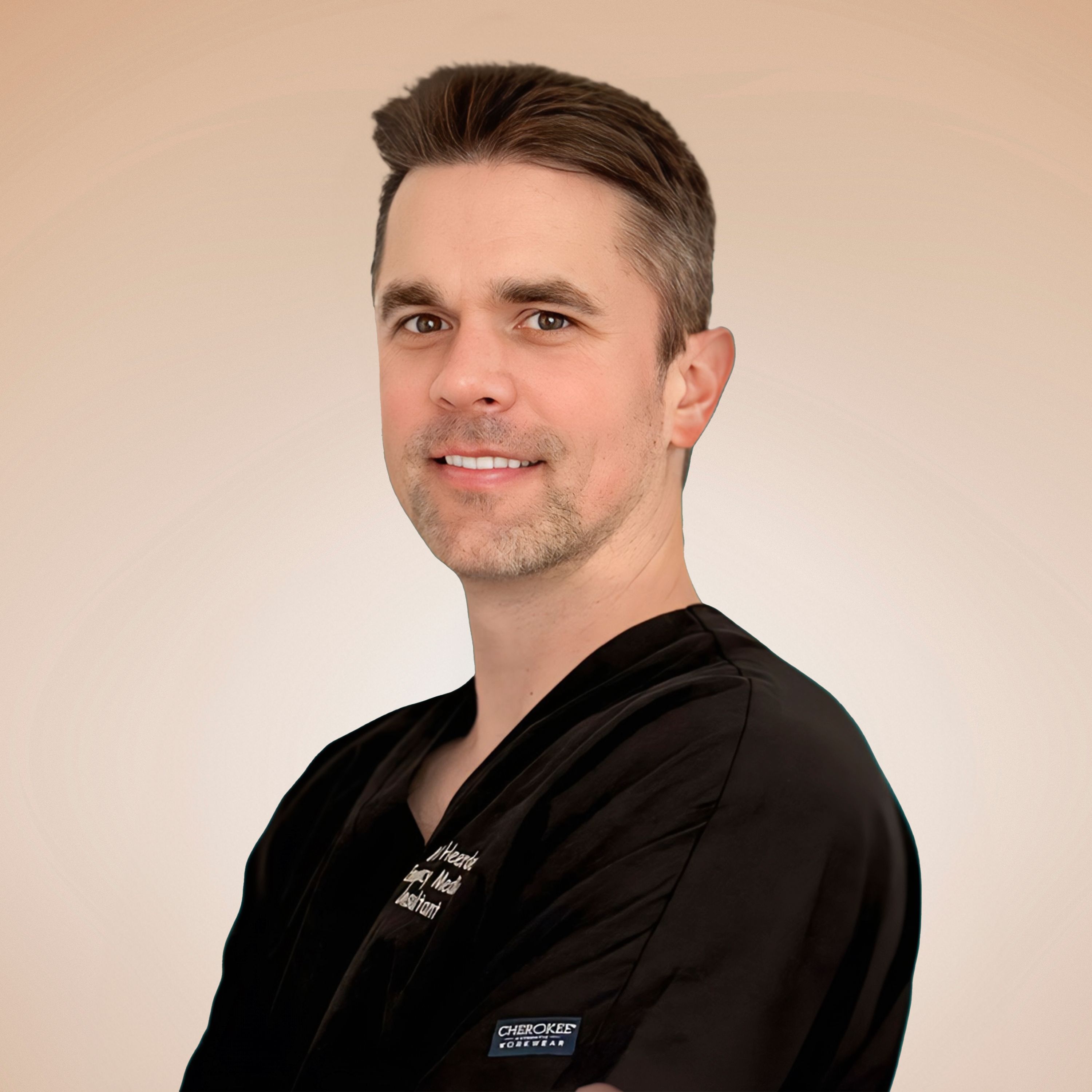
Dr Alex Van Heerden, Clinical Director and Consultant in Emergency Medicine at Releaf, has seen this difference first-hand. Having served with the Royal Air Force, where he treated pilots, air crew, and personnel across the army and navy, he encountered PTSD regularly, and saw how often it went unaddressed:
"Service members worry that if they get diagnosed with a mental health condition, it might affect their career, so they struggle on. People were struggling with the condition but they weren't getting adequate treatment."
He argues that workplaces, in particular, often approach medical cannabis from the wrong starting point, focusing on perceived risk rather than the cost of leaving symptoms untreated:
"Employers are looking at it from the wrong angle. They're looking at it from a risk perspective saying what will medical cannabis do to their performance at work, but really what they should be looking at is what their employees suffer with if it's left untreated."
What he sees in his own patients, he says, is the opposite of the disruption employers fear:
"Patients are saying that they're sleeping better, that they're having less incidences of hyperarousal, they're more functional at work, they have better performance, their overall mood and anxiety is much more controlled. And in turn this makes them more productive employees."
"Cannabis as a medicine does come with certain risks and unfortunately it can't be prescribed to all patients. There are some people where we feel that the risks would outweigh the benefit, and this is why the doctors in our country and in many countries strongly oppose the full legalisation of recreational cannabis."


Championing inclusive healthcare
At Releaf, we are dedicated to providing high-quality medical cannabis treatment to all who may benefit. We recognise the unique challenges faced by members of the LGBTQ+ community and strive to offer inclusive treatment options for all. Our specialist doctors and clinic staff are committed to our Patient Charter and provide the same level of care and support for all patients, without discrimination.
However, we understand that every individual has unique experiences and faces different challenges. Our treatments are personalised to suit your clinical and lifestyle needs, and our doctors are always on hand to provide additional support.
Marius's story: life after years of treatment-resistant PTSD
One Releaf patient whose story shows the difference that legally prescribed, specialist clinician guided medical cannabis treatment can look like is Marius, a 45-year-old who lives with PTSD, anxiety, and depression following significant trauma in his life.
For years, his symptoms, including vivid night terrors that would wake him in a state of panic, were treated with a long succession of pharmaceutical medications. By his own count, he was prescribed around nine different options over the years, and the side effects took a heavy toll:
"From hot flushes to heart palpitations, extreme bouts of sweating and dizziness, and issues with my libido, the whole thing made me feel like I was going through some form of male menopause. The combination of my health issues and the side effects of these medications made it very difficult for me to function in my day-to-day life, and I was kind of 'over it.'"
Marius first became interested in medical cannabis after watching a documentary following American veterans with PTSD, but at the time he had no idea it was legal in the UK. He began buying cannabis on the black market, and while it helped to a degree, the uncertainty weighed on him:
"I didn't like the feeling that I was doing something illegal, and that I didn't have any idea or real control over what I was putting into my body."
A few weeks later, an advert for Releaf appeared on his Instagram feed, and he realised regulated, prescribed treatment was an option. Now off pharmaceutical medication entirely, Marius describes getting his life back:
"I went through so many drug changes and was under psychiatric care for ages, and I'm proud to say today that I'm on no prescription drugs at all. Life is back to normal, libido is back to normal, my appetite has finally returned to its normal state, and the hot flushes have completely gone. I'm back to being me."
"I'm blown away that I'm 45, and I live in a country where cannabis is now legal for medical treatments. With all the trauma I've been through, to be where I am now and to say that, yes, I can find something that works for me, and it's helping my quality of life. I feel quite overwhelmed by it, and thinking about it actually makes me a bit emotional."
If you’d like to learn more about the potential of medical cannabis for PTSD, or to find out if you are eligible for medical cannabis treatment, head straight to our fast (and totally free) medical cannabis eligibility checker today. It takes less than 30 seconds to complete, and may be your first step towards a healthier, more balanced life.
Releaf - Let's rethink healthcare
Did you like this article?
It is important to seek medical advice before starting any new treatments. The patient advisors at Releaf are available to provide expert advice and support. Alternatively, click here to book a consultation with one of our specialist doctors.

Blog Categories
Further reading

Equality for all: How members of the LGBTQIA+ community changed the course of cannabis history
Today marks the final day of Pride Month, and although this month is coming to an end, it is important that the sentiment of Pride stands year round. Here at Releaf we wanted to pay tribute to a number of influential advocates and activists that have campaigned for equal love, and equal access to medicine.
Lucy MacKinnon

World Mental Health Day: Exploring medical cannabis and psychiatric care
Every year, on the 10th of October, World Mental Health Day is celebrated on an international scale. Drawing attention to the prevalence of mental health conditions in modern society, and advocating for better support, treatment, and awareness, World Mental Health Day takes on a new theme every year and in 2024 it’s workplace mental health.
Lucy MacKinnon

Experts, insights, and experiences: Medical cannabis and mental health
Mental Health Awareness Week 2026 highlights growing pressure on mental health services across the UK. As more people search for effective treatment options, medical cannabis is gaining attention as a prescribed alternative. This article brings together clinician insight and real patient experiences, alongside the latest UK evidence, to explain how it fits into modern mental health care.
Lucy MacKinnon